
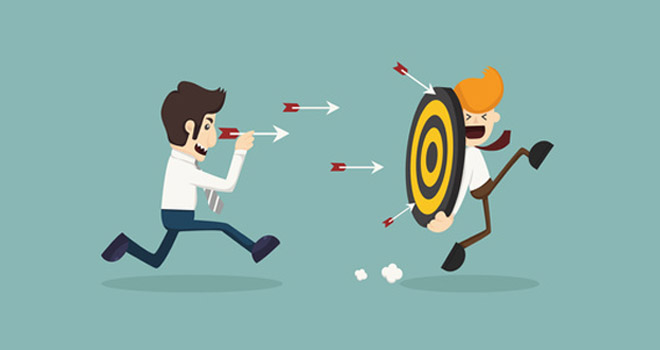
Retargeting (or remarketing) is one of the most powerful levers in digital marketing for recovering abandoned shopping baskets. However, a landmark study conducted by InSkin Media and Rapp Media highlights a fundamental paradox: poorly calibrated, this tool can become counter-productive. While 53% of Internet users initially find online advertising useful, excessive exposure quickly turns interest into irritation.
How can you optimize your retargeting campaigns to maximize ROI without alienating your audience? Analysis of the mechanisms of ad fatigue and a tutorial on how to implement them.
Exposure frequency: when repetition kills conversion
Managing advertising pressure, or capping, is the critical success factor. Behavioral data reveal precise consumer tolerance thresholds:
- Incentive (1 to 3 views): a relevant ad seen during the search phase multiplies the probability of purchase by 4.
- Annoyance (5 views): beyond this threshold, advertising is considered intrusive.
- Rejection (10 views): massive overexposure provokes anger and can permanently tarnish a brand’s image.
The analysis is clear: it is imperative to configure strict capping to avoid this saturation effect.
The broadcasting context: the importance of brand safety
The effectiveness of a message depends intrinsically on the environment in which it is delivered. The study shows that an ad is 40% more likely to be perceived positively if it is displayed on a site with a similar theme (e.g. a hotel offer on a travel blog).
Conversely, cognitive dissonance works against the advertiser: banners displayed on sites with no semantic connection are 11 times more likely to discourage purchase. Contextual targeting is not just a question of performance, it’s a question of brand consistency.
Timing and exclusion: not targeting the converted buyer
Timing is everything. The most costly mistake in retargeting is to continue to solicit an Internet user who has already made a purchase.
- An ad seen after the search phase is 15% more likely to discourage.
- An ad seen after a purchase is 4 times more likely to harm future purchases.
This technical clumsiness, common in poorly configured CPC (Cost Per Click) models, must be avoided by updating audiences in real time. Dynamic exclusion of converts (via “burn pixels” or CRM audience exclusion) is essential to avoid wasting marketing budget on customers already acquired.
Putting it into practice: how do you configure capping on your acquisition levers?
The theory is clear, but technically, where’s the handbrake? Each advertising platform has its own mechanisms for controlling repetition (Frequency Capping).
1. Google Ads: surgical precision
With targeting on Google Ads (Display & Video), the limitation is granular.
- The access path: Campaign > Parameters > Additional parameters > Frequency limitation.
- Expert setting: Select “Set limit”. A recommended standard setting is 3 to 5 impressions per day per campaign.
- Note: If you use Smart Bidding strategies, Google may sometimes exceed your limits if it detects a very high probability of conversion.
2. Meta Ads (Facebook & Instagram): the objective-based approach
On the Meta, Instagram or Facebook ecosystem , retargeting management depends on your objective:
- Notoriety objective: you can define a strict ceiling for the set of ads (e.g. 1 impression every 7 days).
- Conversion objective: Meta does not offer direct capping, as the algorithm prioritizes action.
- The solution: use Automated Rules. Create a rule: “If the repetition is greater than 4 over the last 7 days, then reduce the budget or cut the Ad Set”.
3. Creative rotation
To get around fatigue without stopping broadcasting, vary the formats. Rather than showing the same image 10 times, create a sequence: product presentation > social proof (review) > emergency offer.
Privacy and data: the challenge of trust in the RGPD era
The intrusive aspect of retargeting remains a major sticking point. The study’s figures resonate strongly with current concerns about privacy:
- 69% of consumers are uncomfortable with the tracking of their browsing history.
- Over 70% reject geolocation or the use of their personal address.
Hugo Drayton, CEO of InSkin Media, sums it up perfectly: “The industry has gotten carried away with retargeting… As an industry, we risk alienating a generation of consumers.”
Summary: the 3 pillars of effective retargeting
- Control capping: limit technical exposure via your platform settings (Google/Meta).
- Contextualize: give preference to publisher sites that have an affinity with your product (Brand Safety).
- Exclude converts: stop retargeting as soon as the transaction has been validated, to preserve the post-purchase experience.